en de

Keine Sicherheit ohne Ernährungssicherheit

Erkunden Sie Download


Kennzahlen

0
ist die Hungersituation schlimmer als noch im Jahr 2018.
0
ist die Hungersituation schlimmer als im Jahr 2000: Fidschi, Libyen, Papua-Neuguinea, die Salomonen und Syrien.
0
sind die Fortschritte seit 2018 weitgehend zum Stillstand gekommen, wobei die GHI-Werte unverändert blieben oder um weniger als 5 Prozent zurückgingen.
0
werden bei gleichbleibender Entwicklung bis 2030 kein niedriges Hungerniveau erreichen.

Die weltweite Hungersituation hat sich im Vergleich zu 2018 verschlechtert.

Niedrig

51 Länder

Mäßig

35 Länder

Ernst

36 Länder

Sehr ernst

8 Länder

Gravierend

0 Länder

Global hunger has worsened amid multiple crises.

The 2026 global GHI score of 18.1 (moderate) is higher than in 2018, interrupting the decline since 2000. Based on 2021–2025 data, it reflects a period of overlapping conflicts, climate extremes, and economic shocks. New geopolitical shocks, trade disruptions, and an intensifying El Niño threaten to further strain food and nutrition security, particularly in countries facing protracted crises.

See World GHI Scores in Recent Decades

Explore the 2026 GHI Ranking

Progress has become more fragile across regions.

Hunger remains serious in Africa South of the Sahara and South Asia. Compared with 2018, GHI scores rose in Africa South of the Sahara and West Asia and North Africa, remained unchanged in Europe and Central Asia, and fell by less than one point in Latin America and the Caribbean and East and Southeast Asia.

Conflict can drive hunger and undernutrition for decades and far beyond conflict zones.

Chronic, high-intensity conflict is linked to decades of lost progress against hunger. The Russia–Ukraine war has disrupted global food and fertilizer markets and has contributed to higher food prices globally, affecting food and nutrition security far beyond conflict zones. Shipping disruptions linked to the US–Israel–Iran war now pose similar risks. Food price spikes can have lasting effects on food and nutrition security and lifelong consequences for children’s growth and development.

Food insecurity and insecurity reinforce each other.

Food insecurity is not only a consequence of crises; it can also create conditions that intensify them. The 2026 Global Hunger Index explores how inadequate access to food can deepen vulnerabilities, increase competition over scarce resources, and contribute to instability, further undermining livelihoods and food security.

Food security must be embedded in security policies.

Security policies focusing mainly on military threats can overlook what enables people and societies to withstand crises. The report’s six regional contributions examine the role of resilient food systems, secure livelihoods, social protection, climate adaptation, and access to essential resources such as water in strengthening security. Together, they show why food and nutrition security must be systematically integrated into peace and security policymaking.

Experts from six regions reflect on the relationship between food security and security

Lasting progress against hunger requires sustained action and resilient food systems.

Long-term improvements since 2000 in countries such as Nepal, Sierra Leone, Tajikistan, and Uganda show that substantial progress is possible. Lasting gains rarely result from a single intervention but reflect coordinated action to strengthen food system resilience, health, nutrition, education, sanitation, and social protection. National averages can still mask subnational disparities, and shocks, including climate extremes, can quickly put hard-won gains at risk.

ABBILDUNG 1.1

GLOBALE WHI-WERTE UND UNTERERNÄHRUNGSRATEN DER LETZTEN JAHRZEHNTE

Legende

Anmerkung: Die WHI-Werte für das Jahr 2000 umfassen Daten von 1998–2002; die WHI-Werte 2006 basieren auf Daten von 2004–2008; die WHI-Werte 2012 enthalten Daten von 2010–2014; die WHI-Werte 2018 basieren auf Daten von 2016–2020; und die WHI-Werte 2026 umfassen Daten von 2021–2025. Die Daten zur Unterernährung stammen von der Ernährungs- und Landwirtschaftsorganisation der Vereinten Nationen (FAO) (2026). Die Unterernährungswerte beziehen sich auf die gesamte Welt, also sowohl auf Länder, die in den WHI einbezogen, als auch auf solche, die davon ausgenommen sind. Für eine vollständige Liste der für die Berechnung der WHI-Werte verwendeten Datenquellen siehe Methodik. Die Farben entsprechen der WHI-Schweregradskala.

Neuste Updates

Unveiling the 2026 Global Hunger Index: No Security Without Food Security

Hybrid event ahead of World Food Day hosted by Welthungerhilfe (WHH), the Institute for International Law of Peace and Armed Conflict (IFHV), and Robert Bosch Stiftung

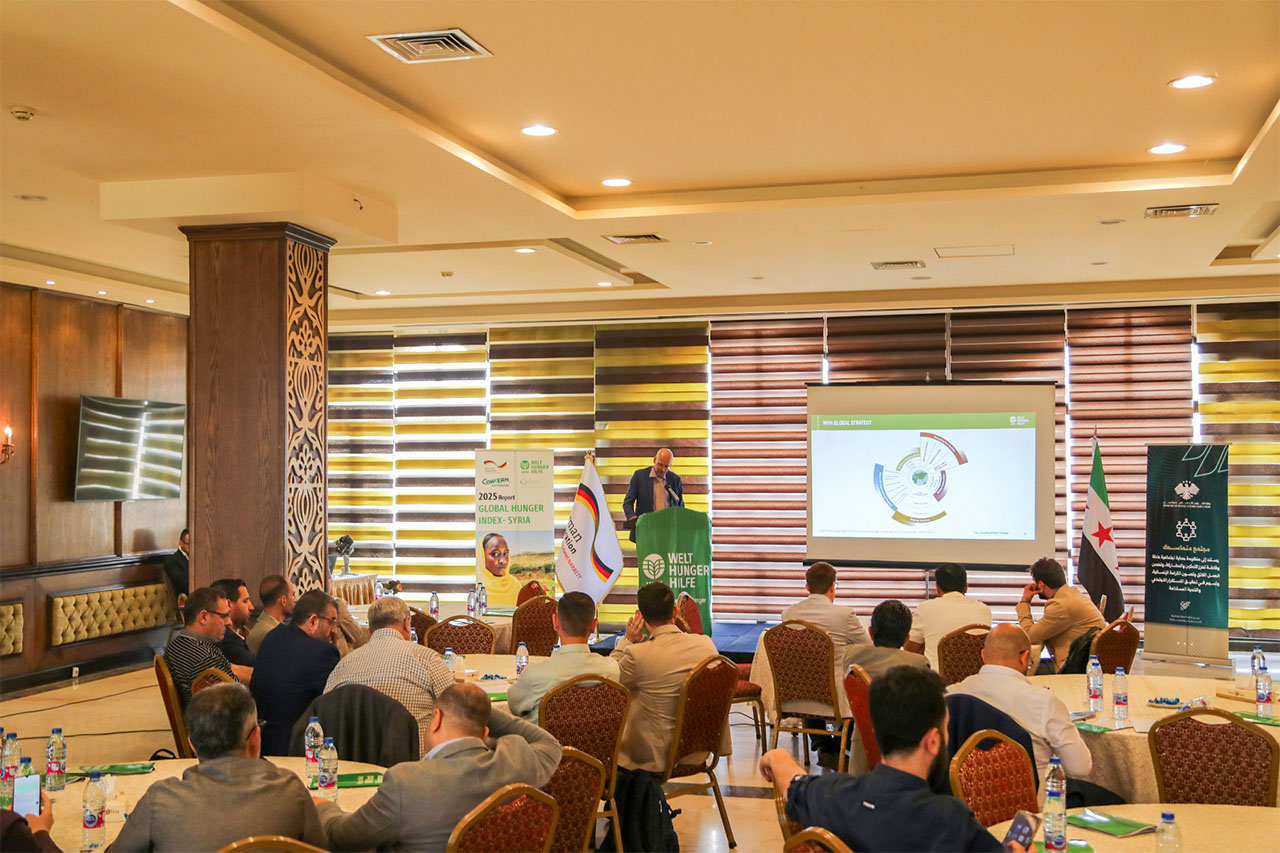
From Data to Action: Syria’s Fight Against Hunger Puts Communities at the Center

Syria launches the 2025 Global Hunger Index to strengthen dialogue on resilient food systems

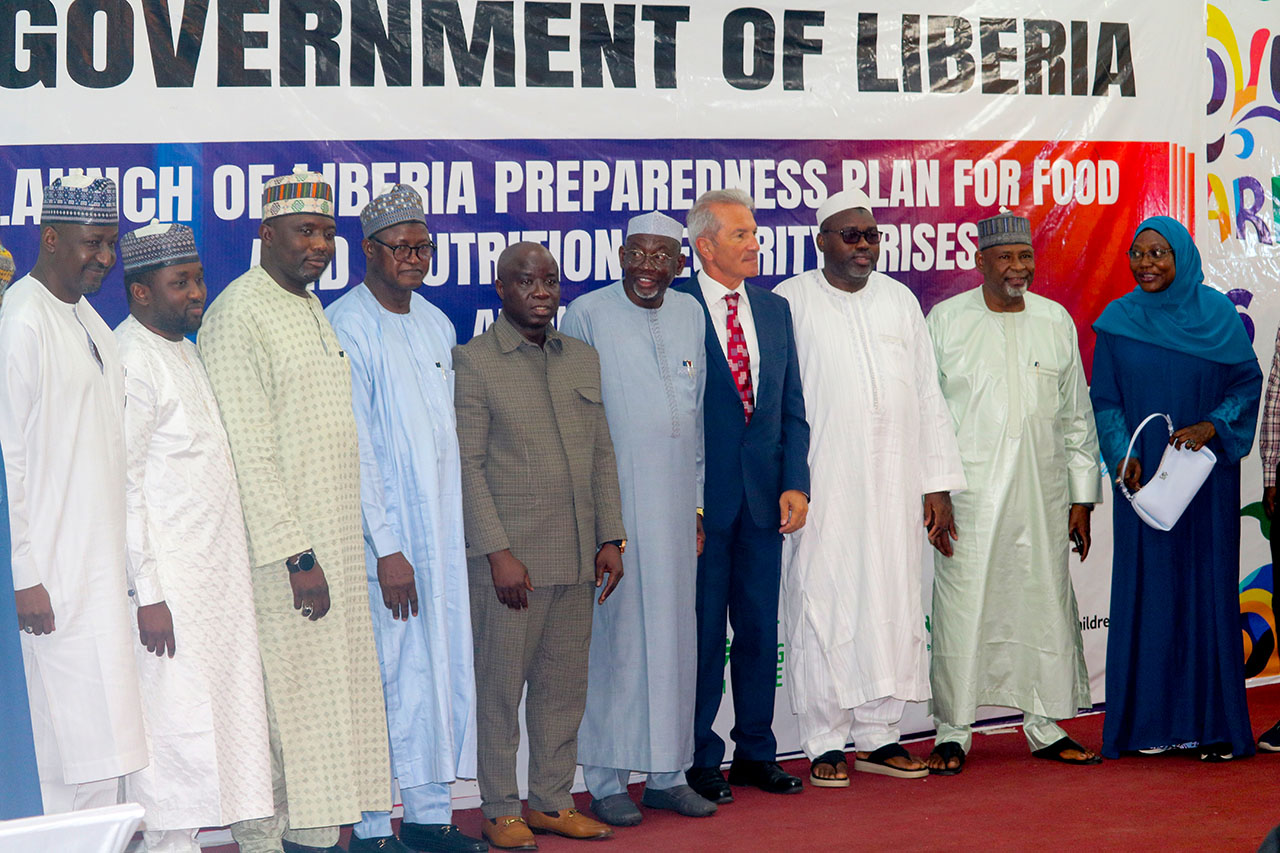
International delegates pose for a group photo with Liberia’s Minister of Agriculture, Hon. Dr. J. Alexander Nuetah (fifth from left), the Governor of Jigawa State, Nigeria, H.E. Malam Umar Namadi (sixth from left), and the Ambassador of the Federal Republic of Germany to Liberia, H.E. Jakob Haselhuber (seventh from left), during the launch of the 2025 GHI in Liberia. The event highlighted a shared commitment to strengthening food security, agricultural transformation, and sustainable rural development.

On April 8, 2026, the Government of Liberia, through the Minister of Agriculture, Hon. J. Alexander Nuetah, officially launched the 2025 Global Hunger Index (GHI) report at the Monrovia City Hall.

2026 Downloads


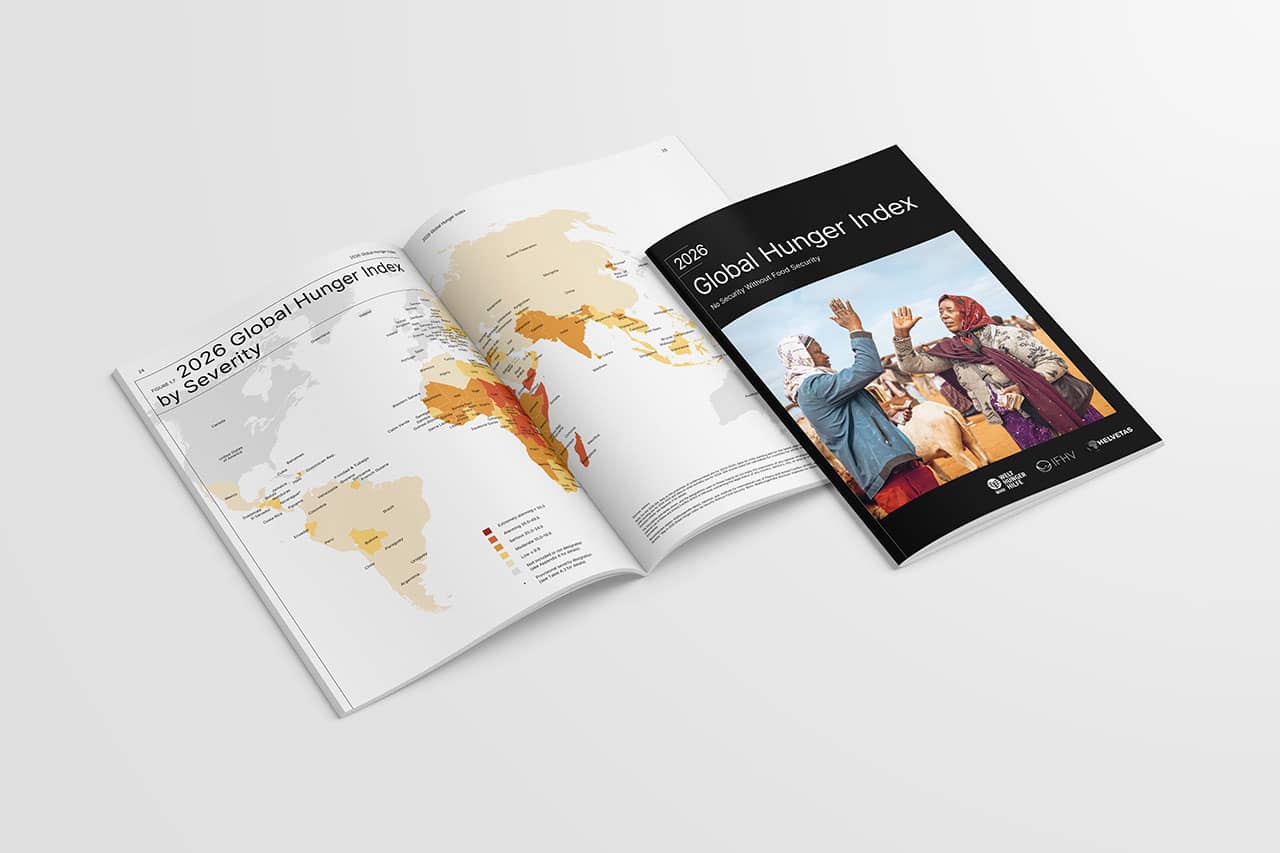
Global Hunger Index 2026: No Security Without Food Security

Complete Report

English, 64 pages, 6.3mb

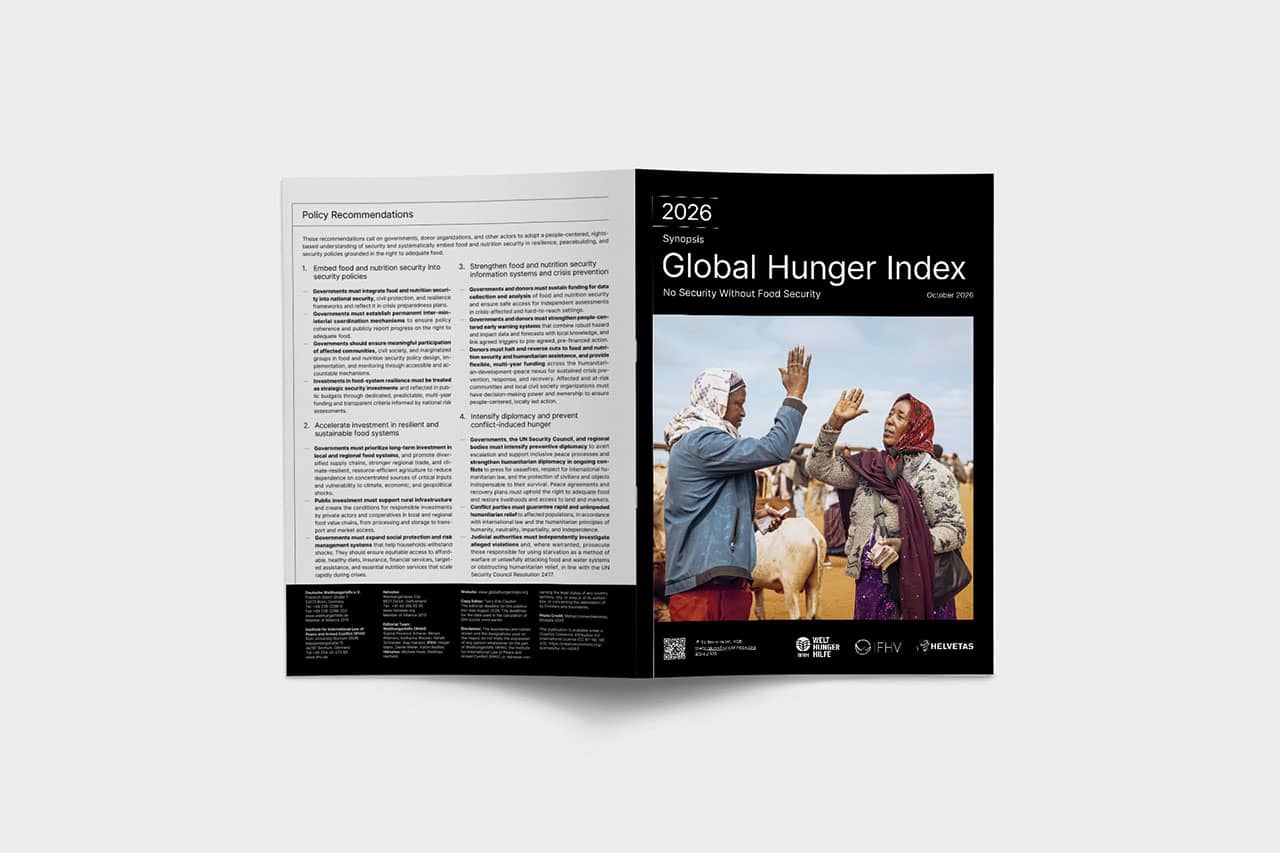
Synopsis: Global Hunger Index 2026

Synopsis

English, 8 pages, 1.13mb
Download Data
2026 GHI Data

Data

3 worksheets, 59kb