Syria launches the 2025 Global Hunger Index to strengthen dialogue on resilient food systems
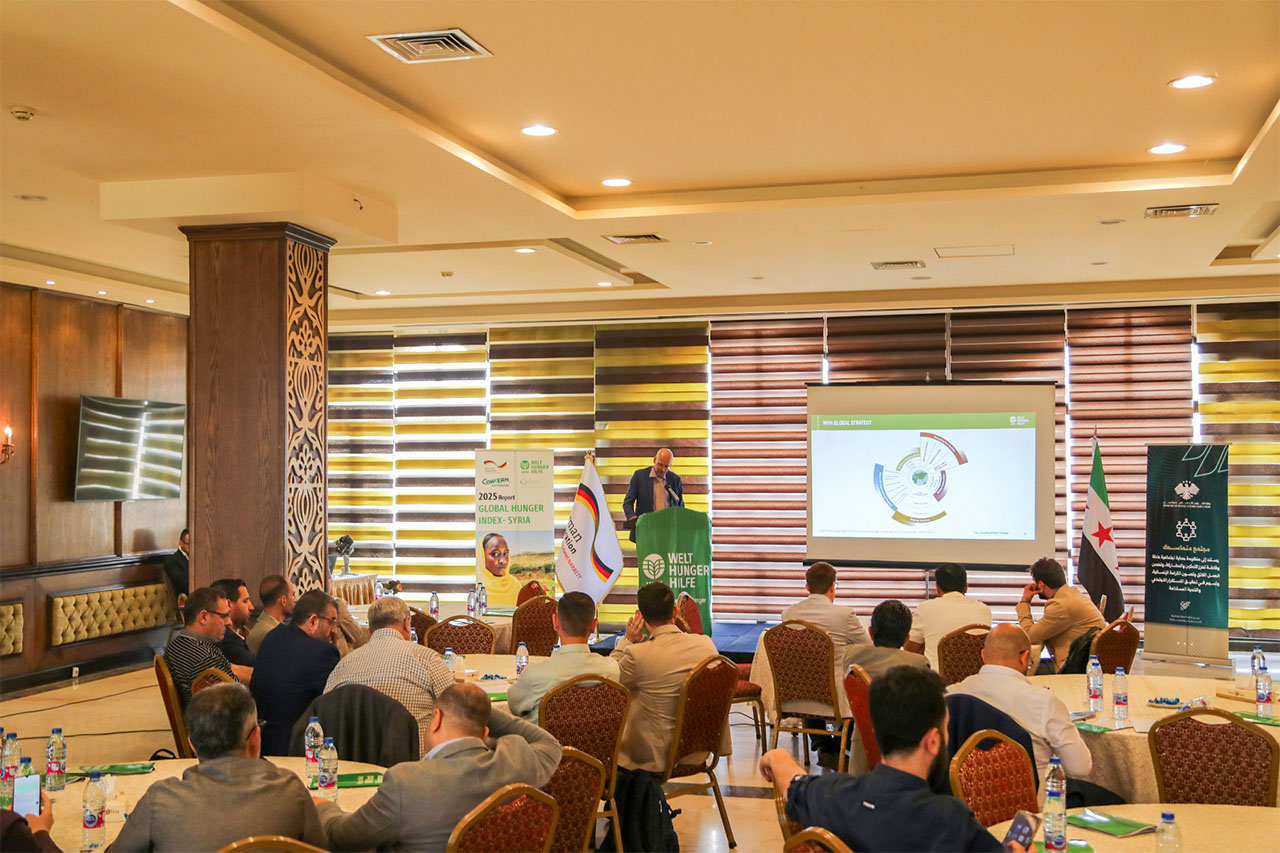
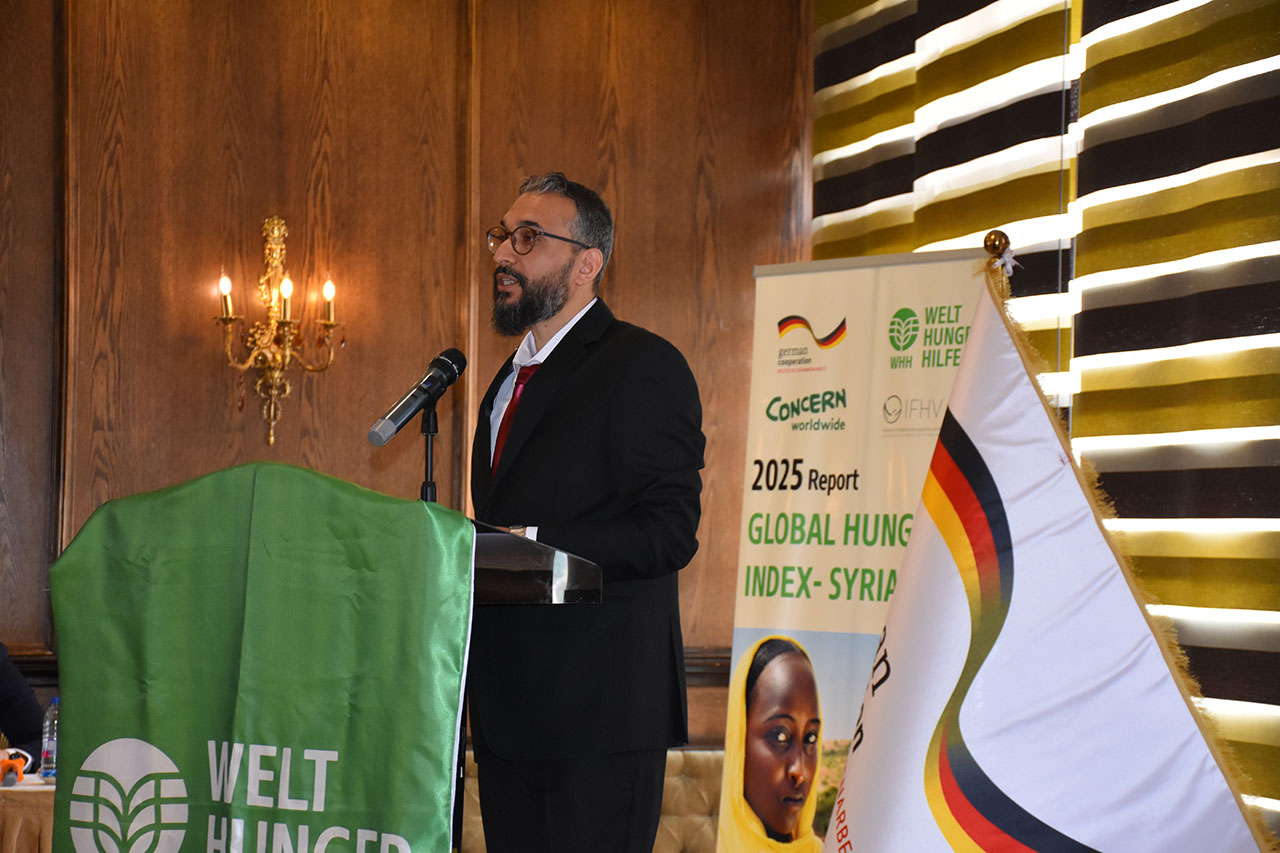
In Damascus, representatives from government institutions, humanitarian organizations, local communities, and international partners came together for the launch of the 2025 Global Hunger Index (GHI) by Welthungerhilfe (WHH) Syria on May 19, 2026. More than a presentation of statistics, the event served as a call for coordinated action to support millions of Syrians facing food insecurity.
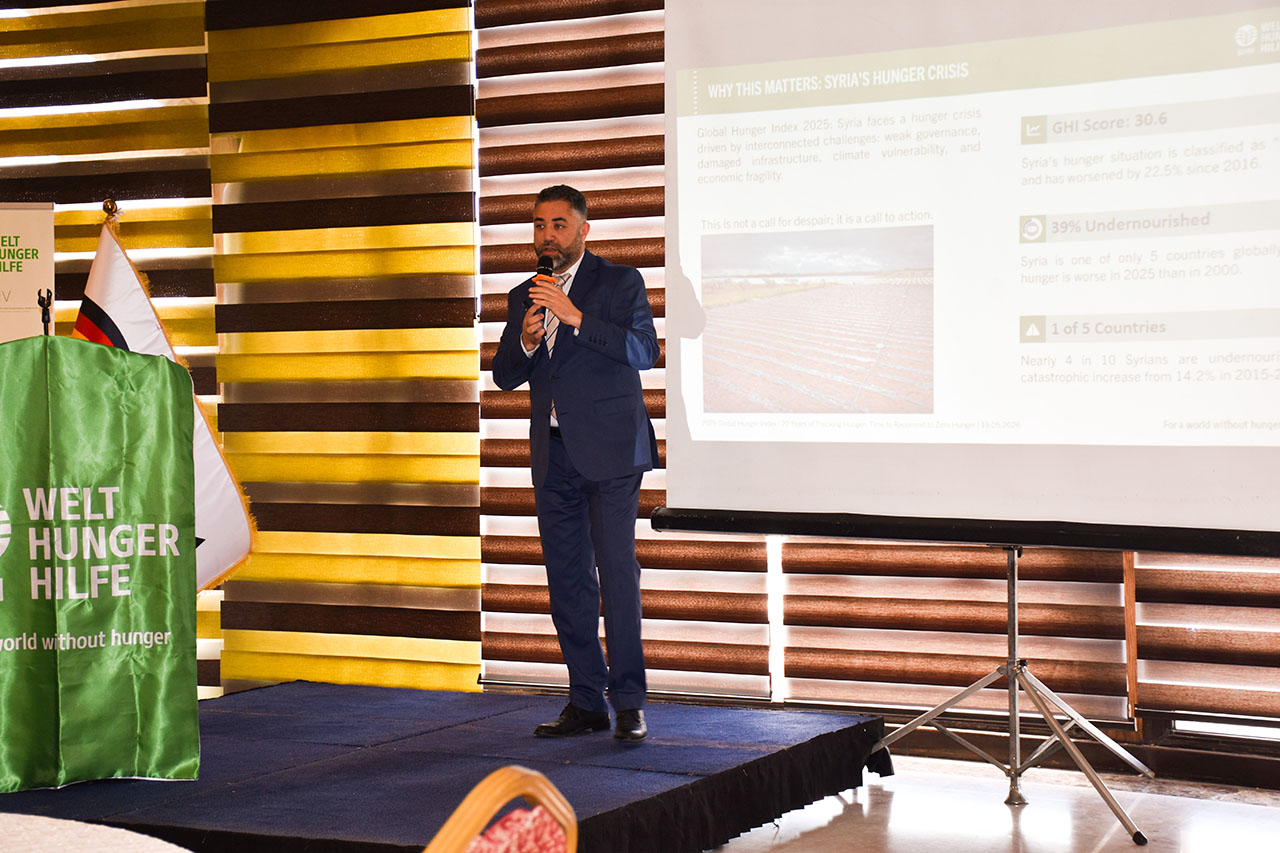
The 2025 Global Hunger Index classified Syria’s score at 30.6, indicating a serious level of hunger. The report highlighted how economic pressures, climate-related challenges, displacement, and declining agricultural productivity continue to affect food and nutrition security across the country.
At the same time, the event focused on solutions and the resilience of Syrian communities working to rebuild their livelihoods and strengthen local food systems.
Turning evidence into action
Speakers at the launch stressed that addressing hunger requires strong partnerships and evidence-based policies that can create lasting impact.
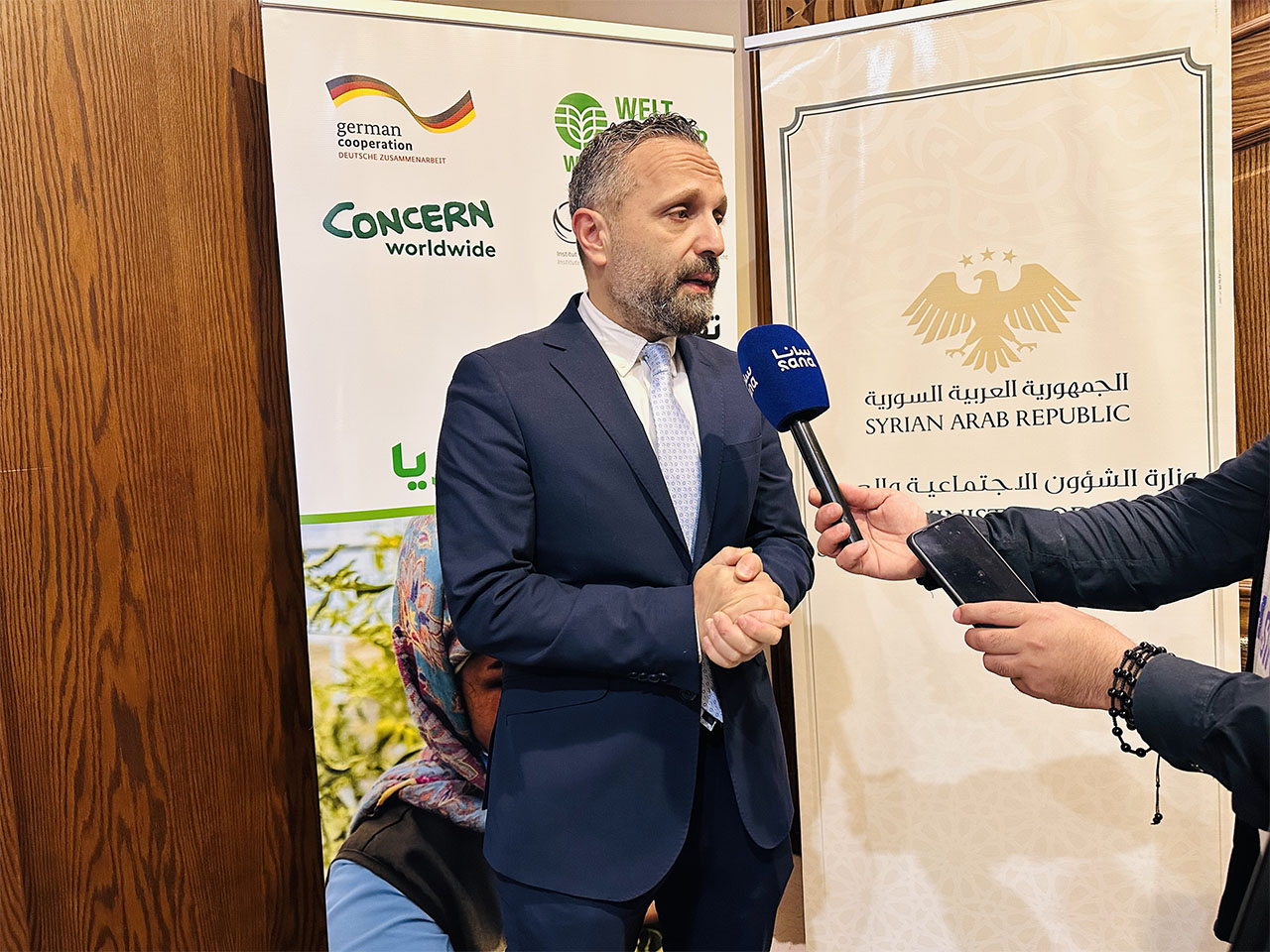
“Addressing hunger in Syria is a shared responsibility that requires transforming data and indicators into practical policies and implementation programs that ensure a dignified life for Syrian citizens,” said Bahjat Al-Hajjar, representative of the Ministry of Social Affairs and Labor. He also reaffirmed the Ministry’s readiness to cooperate with all stakeholders to achieve this goal.
For European stakeholders supporting humanitarian and development efforts in the region, the event reinforced the importance of coordinated international engagement and long-term investment in sustainable recovery.
Welthungerhilfe Syria Country Director Lennart Lehmann emphasized the need for global awareness and targeted support for communities affected by hunger and food insecurity.
“We want to show the world where alarm bells are ringing, and which countries and regions require targeted funding and support to help communities confront the challenges of hunger and food insecurity,” he said.
Communities leading recovery efforts
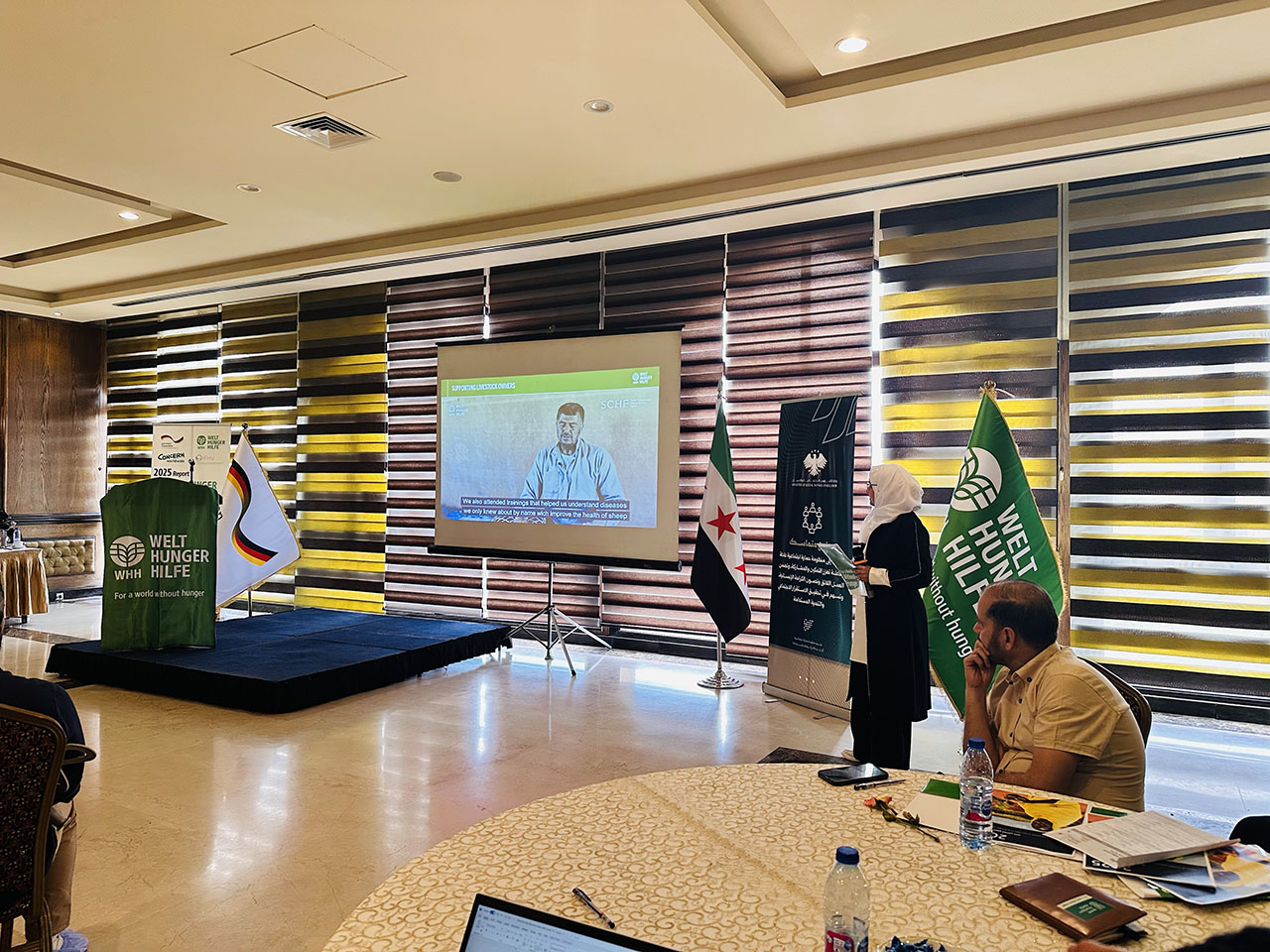
One of the most powerful moments of the launch was the “Field Voices” session, where community members and field teams shared experiences from the ground. Their stories showed how vulnerable households are gradually recovering through agricultural support, livelihood opportunities, improved market access, and sustainable food production initiatives.
Families who depend on farming and small-scale food production are benefiting from programs designed not only to address immediate needs, but also to strengthen long-term resilience. Discussions throughout the event emphasized the importance of investing in local food systems and ensuring communities themselves lead recovery efforts.
Women and young people were highlighted as key actors in building resilient and inclusive food systems for the future.
Investing in resilient food systems
Panel discussions during the event focused on practical pathways toward stronger food security in Syria. Participants highlighted the importance of community-led approaches, resilience building, and long-term investment in local food systems.
Stakeholders also emphasized the need to strengthen coordination and promote evidence-based solutions that improve food security and nutrition outcomes across Syria.
The launch concluded with a shared commitment among participants to continue working together to support sustainable recovery efforts and strengthen food security for vulnerable communities.
Welthungerhilfe in Syria
Welthungerhilfe is one of Germany’s largest private aid organizations working to end hunger and poverty worldwide. Since 2013, WHH has been supporting vulnerable communities in Syria and neighboring countries through humanitarian assistance, food security, livelihood support, and resilience-building programs.
Author: Tasneem Haimoud, Media and Communication Officer, Welthungerhilfe Syria